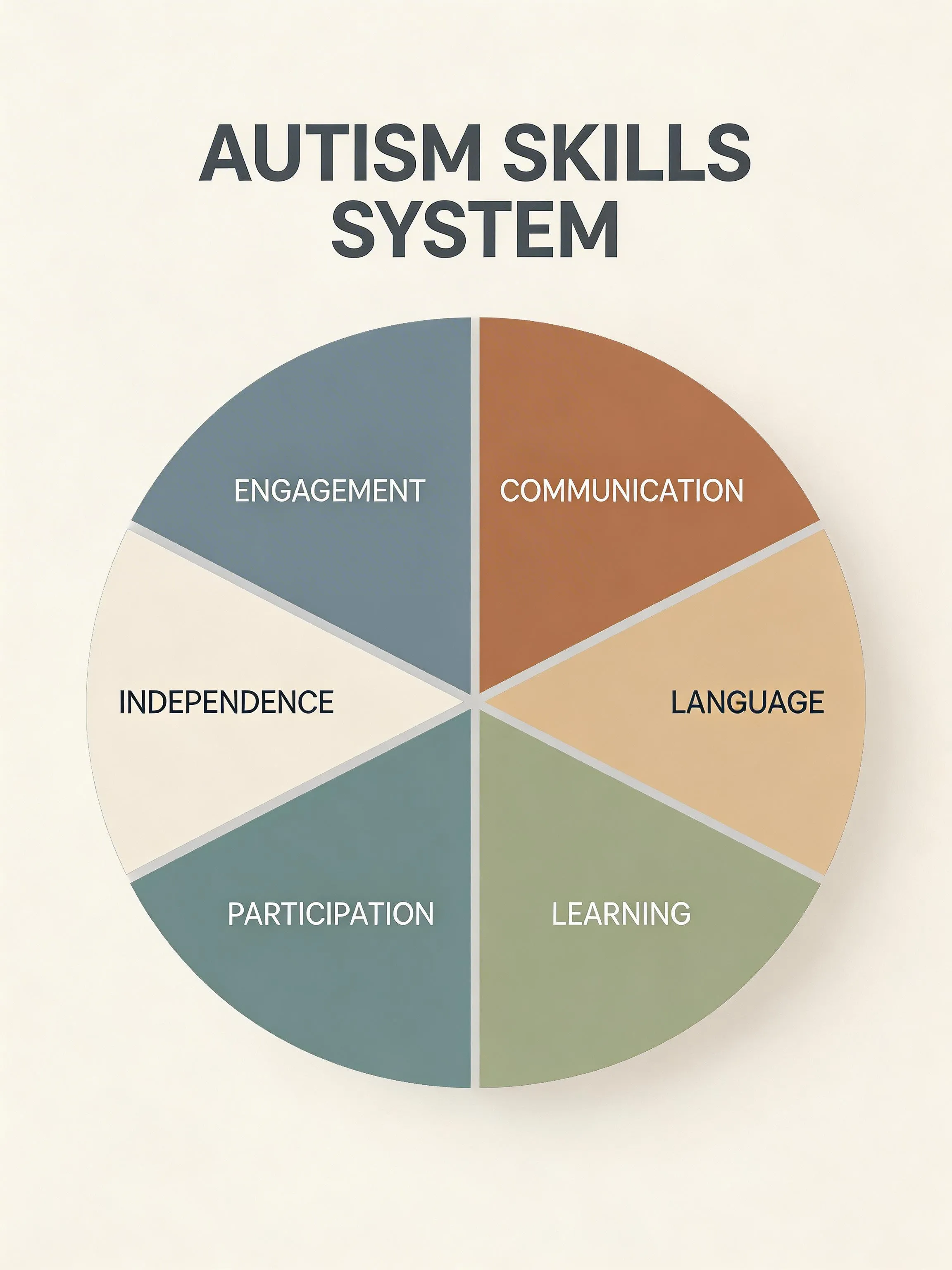
Autism Skills System Quick Map
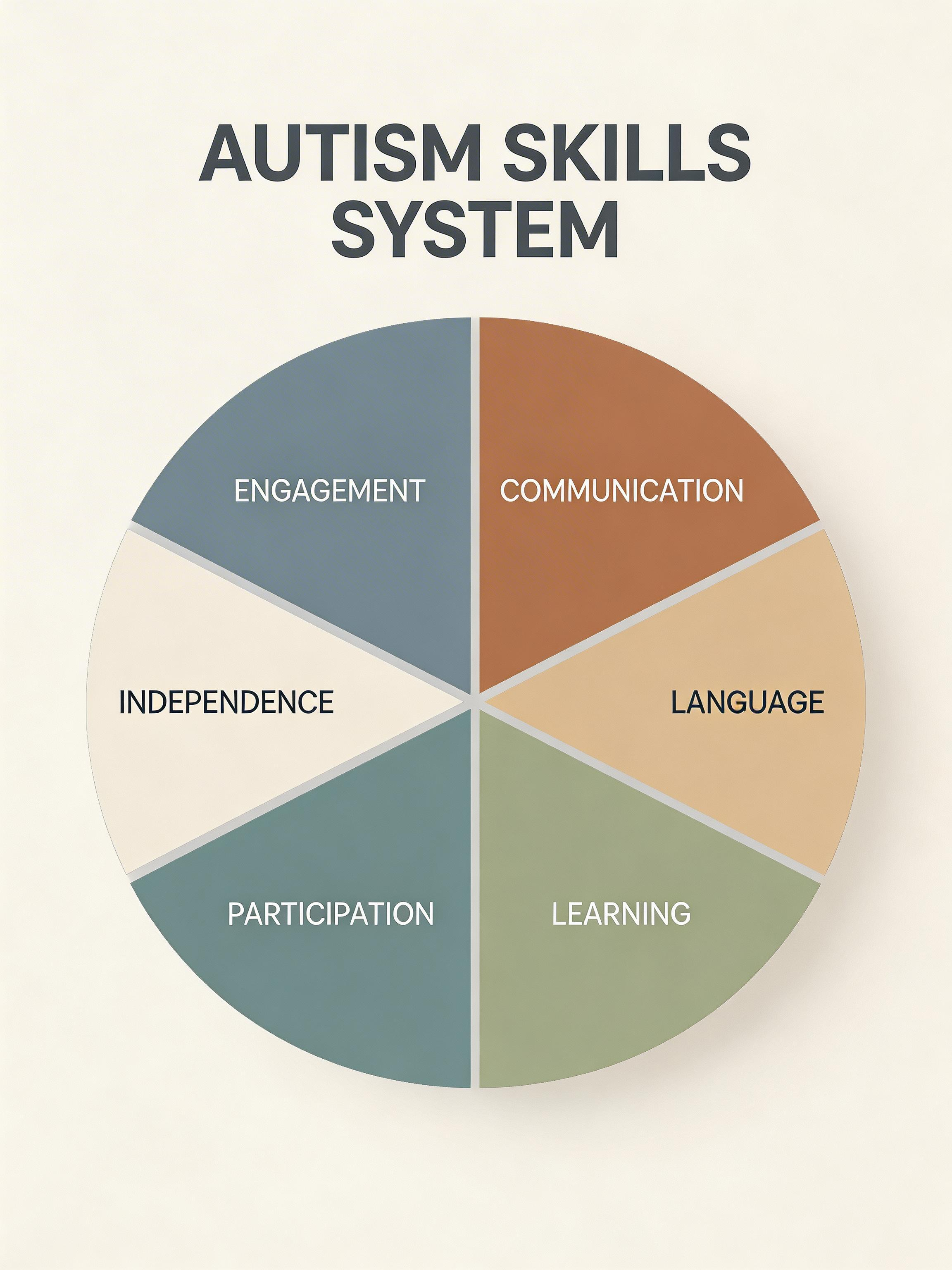
A one-page view of the six-domain system that organizes the whole book.
Download PNGSample Chapter
Real excerpts from four parts of the handbook. Read the voice, see the thinking, and decide if it's right for you.
From the Introduction
Is that cry a request, a protest, or exhaustion? Is that pulling hand-over-hand a bid for help, an escape, or the only reliable way the child knows how to get something done? Is that silence a lack of understanding, a lack of words, a lack of motivation, or a sign that the adults around the child are asking for the wrong thing at the wrong time?
Families live inside these questions. Professionals do too.
And once guesswork takes over, people often split into camps. One camp wants more therapy. Another wants less pressure. One person says to work on speech. Another says behavior. Someone else says sensory regulation, social skills, school readiness, play, or independence.
This book was written to reduce that guesswork.
It is not a book about slogans. It is not a book about miracle methods. It is a book about skills: the skills children need in order to connect, communicate, learn, participate, and become more independent over time.
Many children are pushed toward surface-level goals before the foundations are in place. They are asked to sit before they can engage. They are expected to answer before they can process. They are drilled on labels before they can reliably ask for help. They are taught isolated responses that look successful in short bursts but do not travel into daily life.
The problem is not always effort. Often, it is sequence.
This book has a simple promise: it will help you stop guessing what to teach first and what to do next.
The Introduction continues for 6 more pages in the full book. Get the handbook
From Chapter 1
Many families first meet autism as confusion.
Not as a diagnosis. Not as a theory. As confusion.
They notice things like:
That unevenness is one reason autism can be missed, misunderstood, or minimized. Adults see the strengths and assume the rest will catch up automatically. Sometimes they do not.
A child may read words but not ask for help. Count high but not join a simple turn-taking game. Memorize scripts but not answer a practical question. Find a favorite video instantly but fall apart when a tiny routine changes.
This is why autism is so often experienced by families as a kind of distorted development rather than a simple delay.
The islands of strength are real. But daily life may still be held together by very limited communication, low flexibility, and heavy adult support.
From Chapter 10
One of the costliest mistakes in autism support is to wait for communication to look sophisticated before treating it as important.
Adults wait for clear speech. They wait for longer phrases. They wait for the child to answer questions neatly.
Meanwhile, the child still cannot reliably do the things that matter most in daily life:
When those early functions are weak, children often communicate in other ways: grabbing, crying, dropping, screaming, bolting, pulling adults, collapsing, repeating scripts, shutting down.
Adults then focus on the behavior and miss the missing skill.
If communication does not change what happens next, children stop using it.
Communication becomes functional when it reliably affects the environment in a meaningful way. If a child asks for help and help comes, that is functional. If a child signals "finished" and the task ends, that is functional. The exact form matters less at the start than the result.
Children can communicate functionally through many forms: gestures, reaching, pointing, signs, picture exchange, visual symbols, speech-generating devices, or spoken words.
The real question is not "Is this the perfect form?" It is: "Can this child use this form clearly, often, and with real effect in daily life?"
Chapter 10 continues with the earliest message set, AAC, and how to test whether communication is working. Get the handbook
From Chapter 21
Families often leave good sessions with bad home plans.
The advice may be technically correct. But it lands in real life: work, school runs, siblings, sleep problems, meals, appointments, financial pressure, simple human exhaustion.
So the plan collapses.
The best carryover plan is not the one that sounds the most impressive. It is the one a family can still do next week.
Children need teaching, repetition, structure, follow-through. But they also need comfort, relationship, recovery, ordinary family life.
When every moment turns into prompting, correcting, and demanding, two things often happen: the child starts avoiding the adult more, and the parent starts dreading the very plan that was supposed to help.
That is not good carryover. That is a design failure.
Parents are often told that intensity matters. That is partly true. But families sometimes hear this as "Use every minute." The result is usually not more learning. The result is overload.
Intensity without sustainability is not a serious plan. It is panic dressed up as intervention.
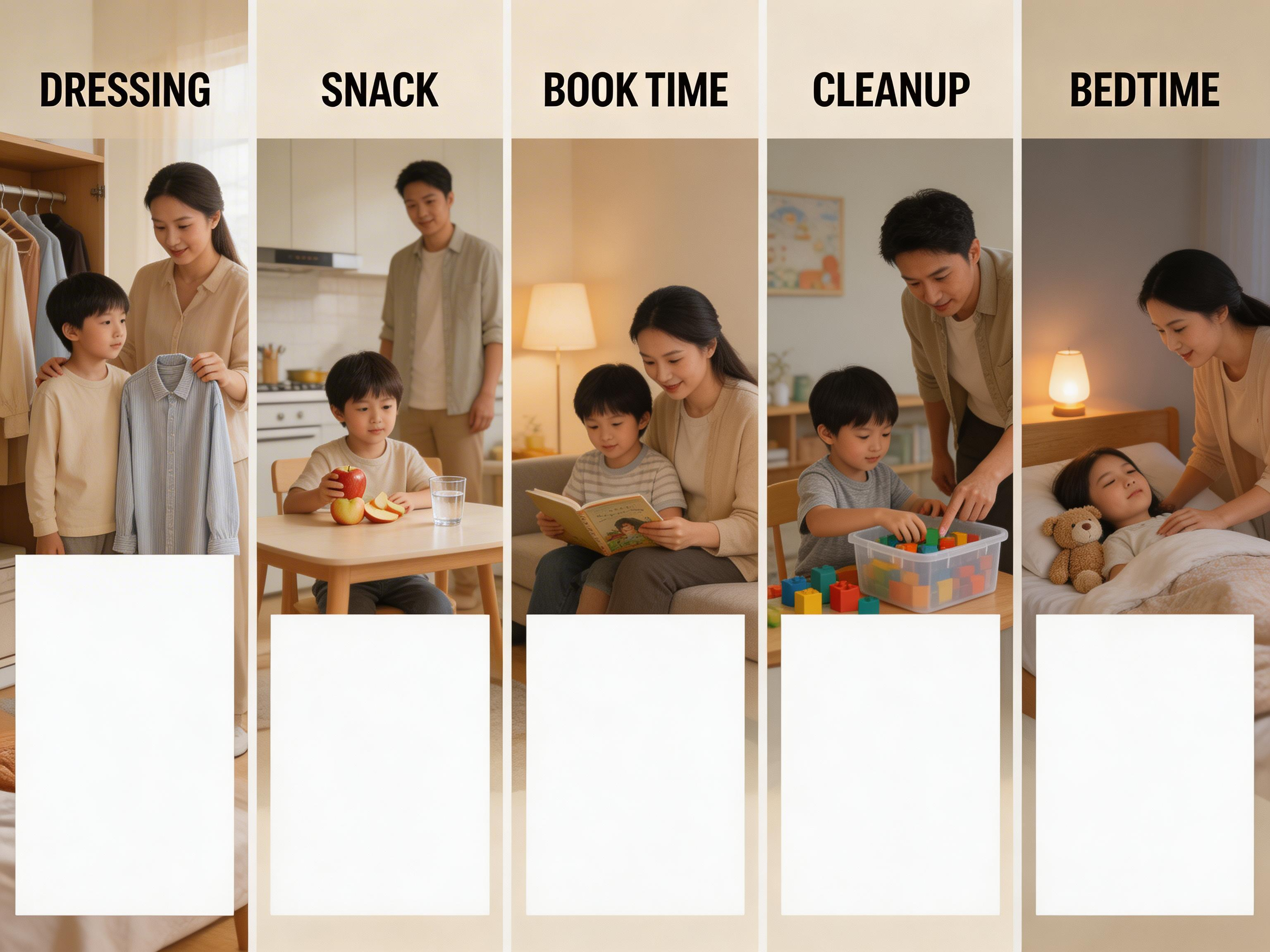
Home practice usually works best in small, repeated moments called micro-routines. A micro-routine is short, predictable, easy to repeat, and tied to something that already happens:
Free Tools
A one-page view of the six-domain system that organizes the whole book.
Download PNG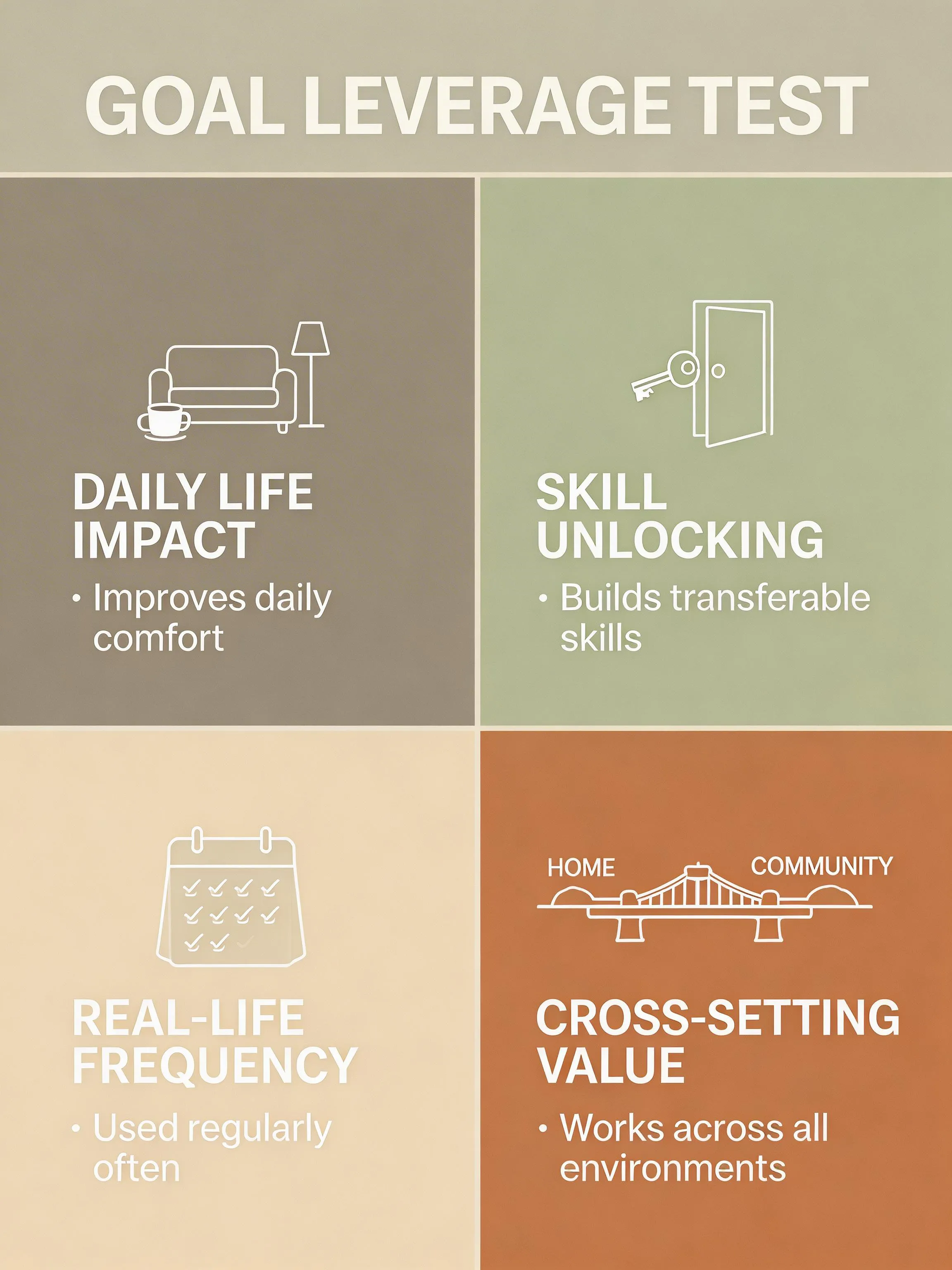
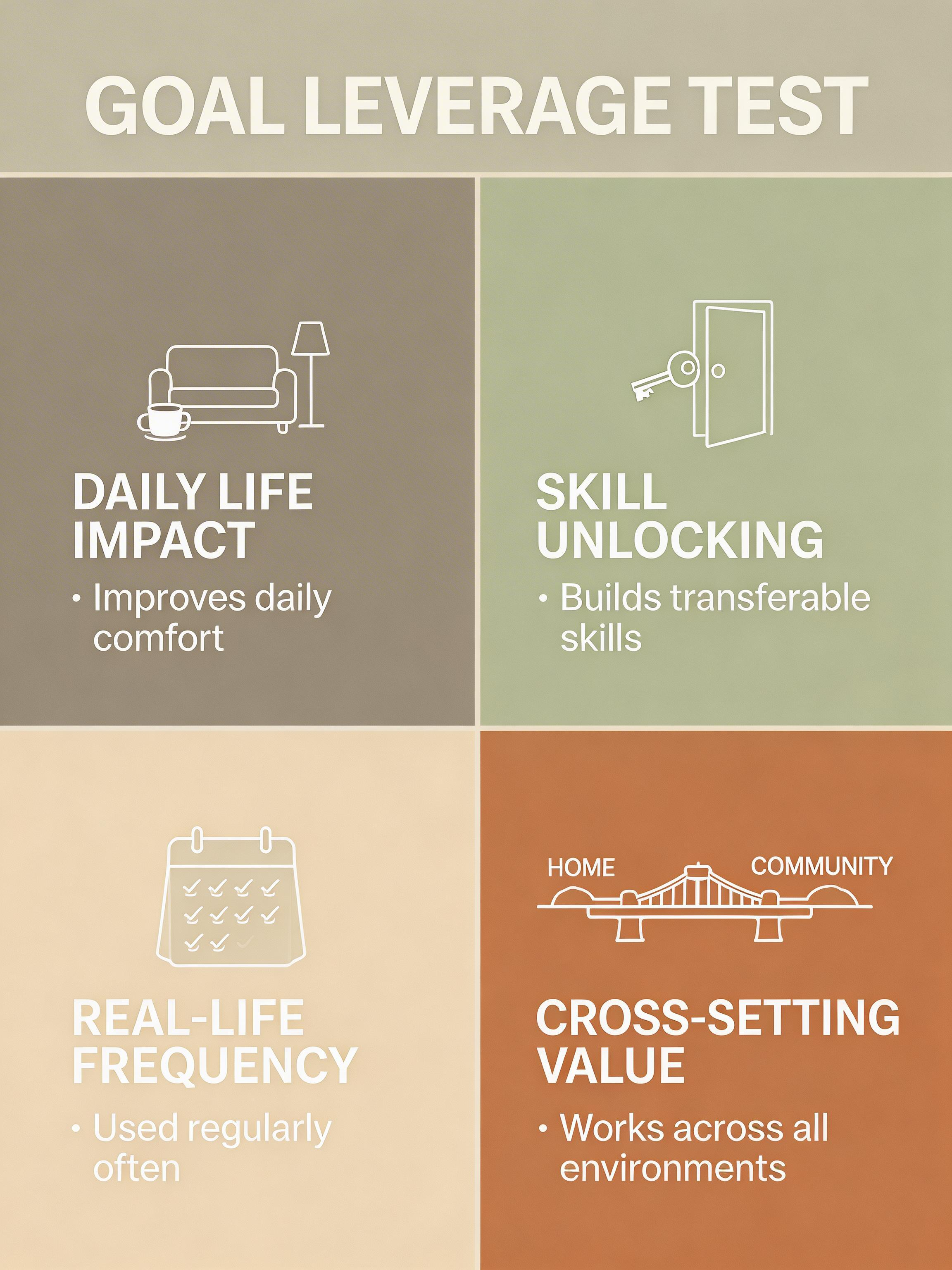
A practical worksheet for choosing goals that change daily life instead of filling a crowded plan.
Download PNG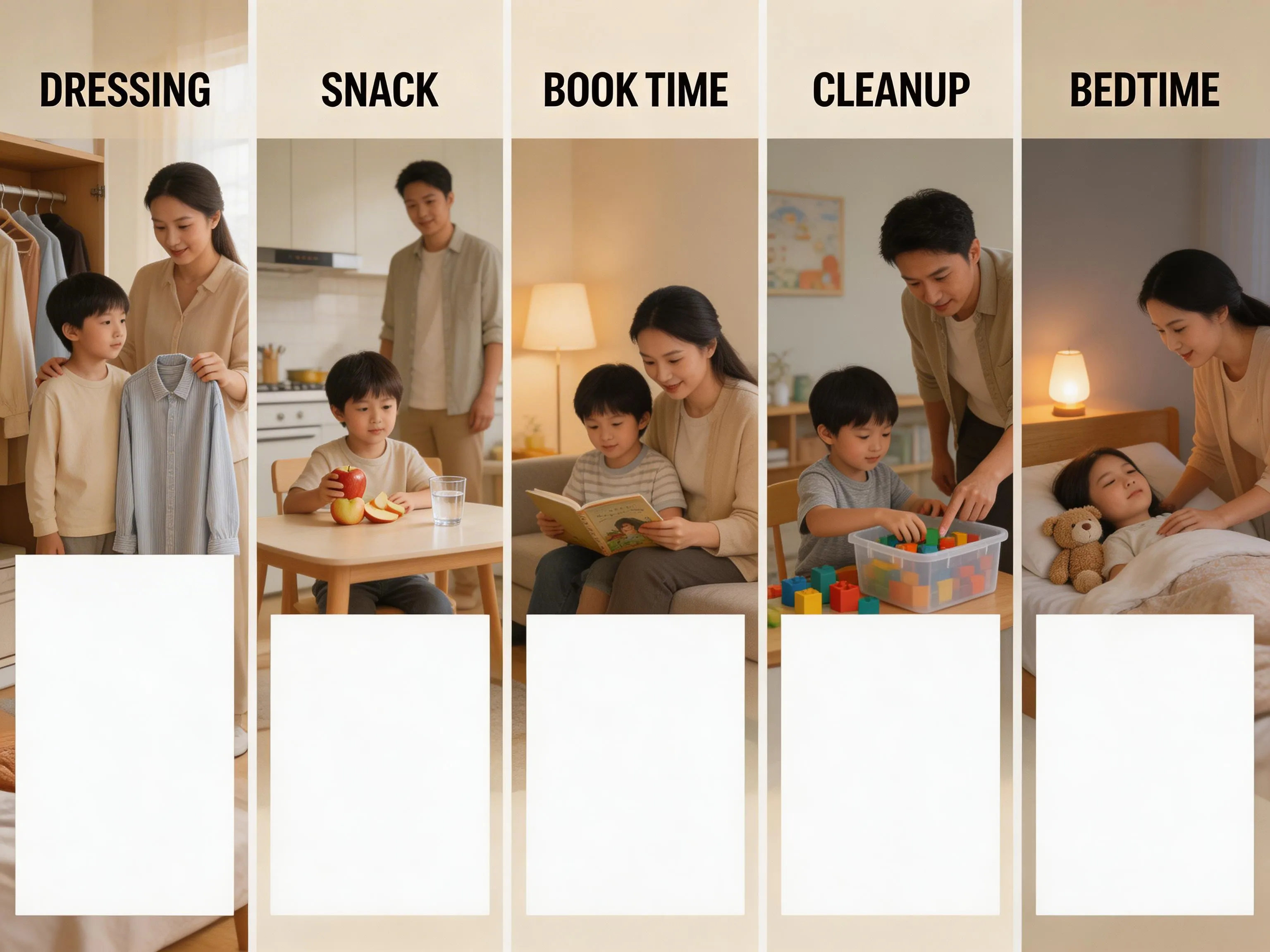
A simple planning sheet built around micro-routines instead of burnout-heavy carryover plans.
Download PNG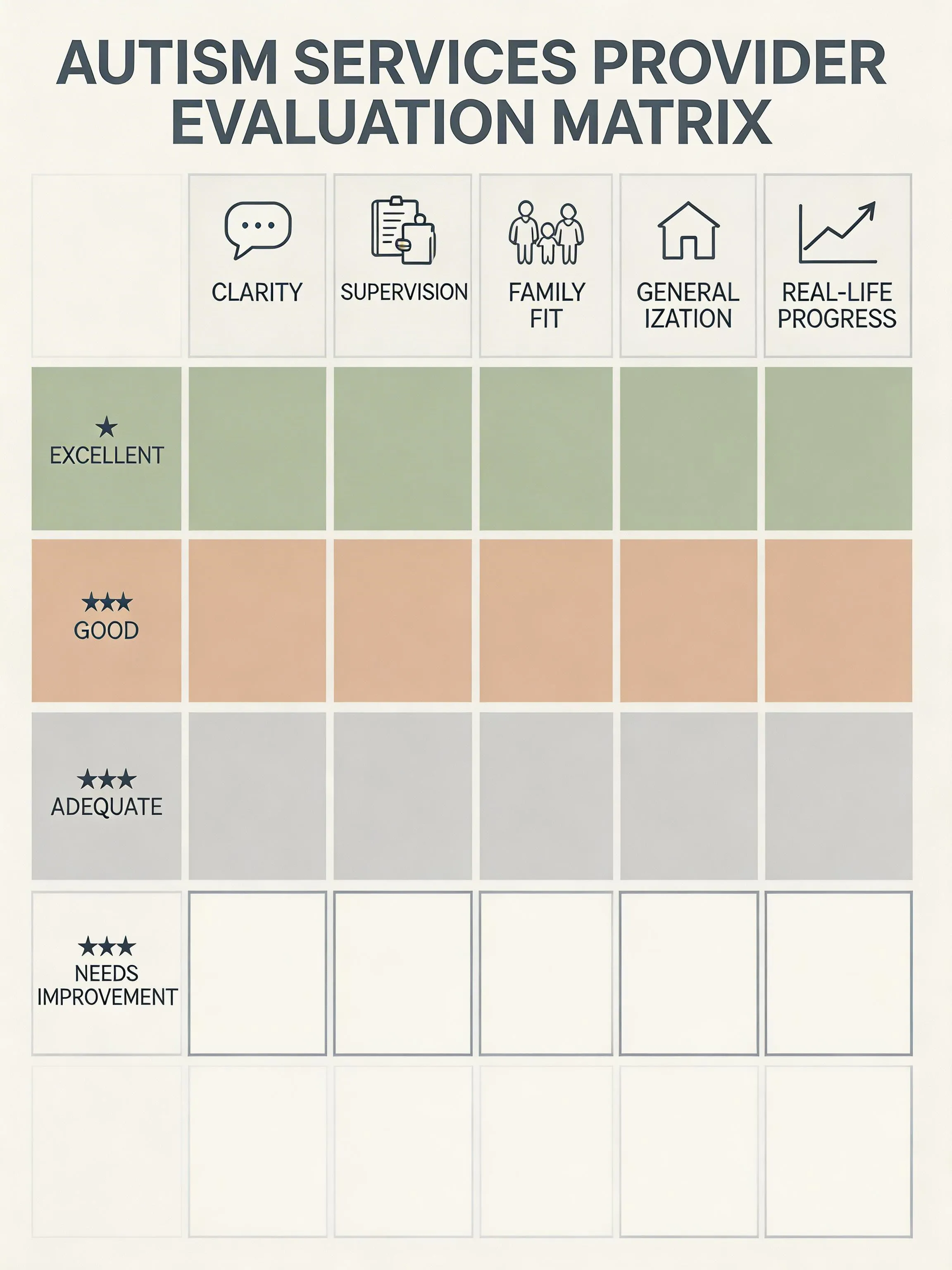
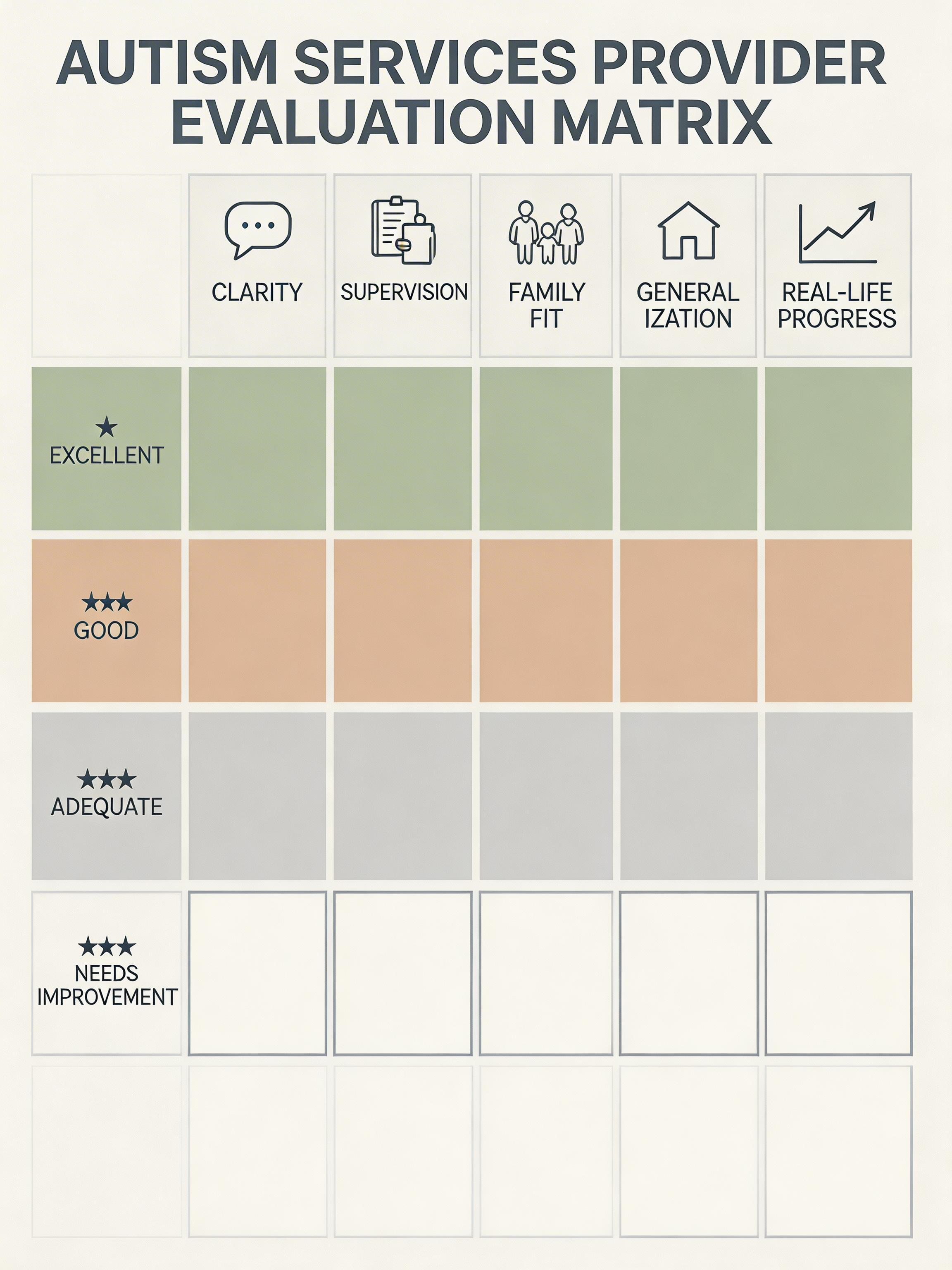
A visual tool for judging provider clarity, supervision, realism, and real-life progress.
Download PNG