You are worried about early signs and do not know what to do next
Start with the developmental pattern, the first-decision logic, and a checklist that turns concern into action instead of panic or waiting.
Foundations Guides
Guides for early signs, uneven development, first decisions, and what families should prioritize before they get buried in conflicting advice.
This cluster turns vague concern into a clearer pattern, better first questions, and more realistic next steps.
Where To Start
Start with the developmental pattern, the first-decision logic, and a checklist that turns concern into action instead of panic or waiting.
All Foundations Guides
Concern should lead to action. The right early move is not panic, but practical next steps while formal evaluation is still in progress.
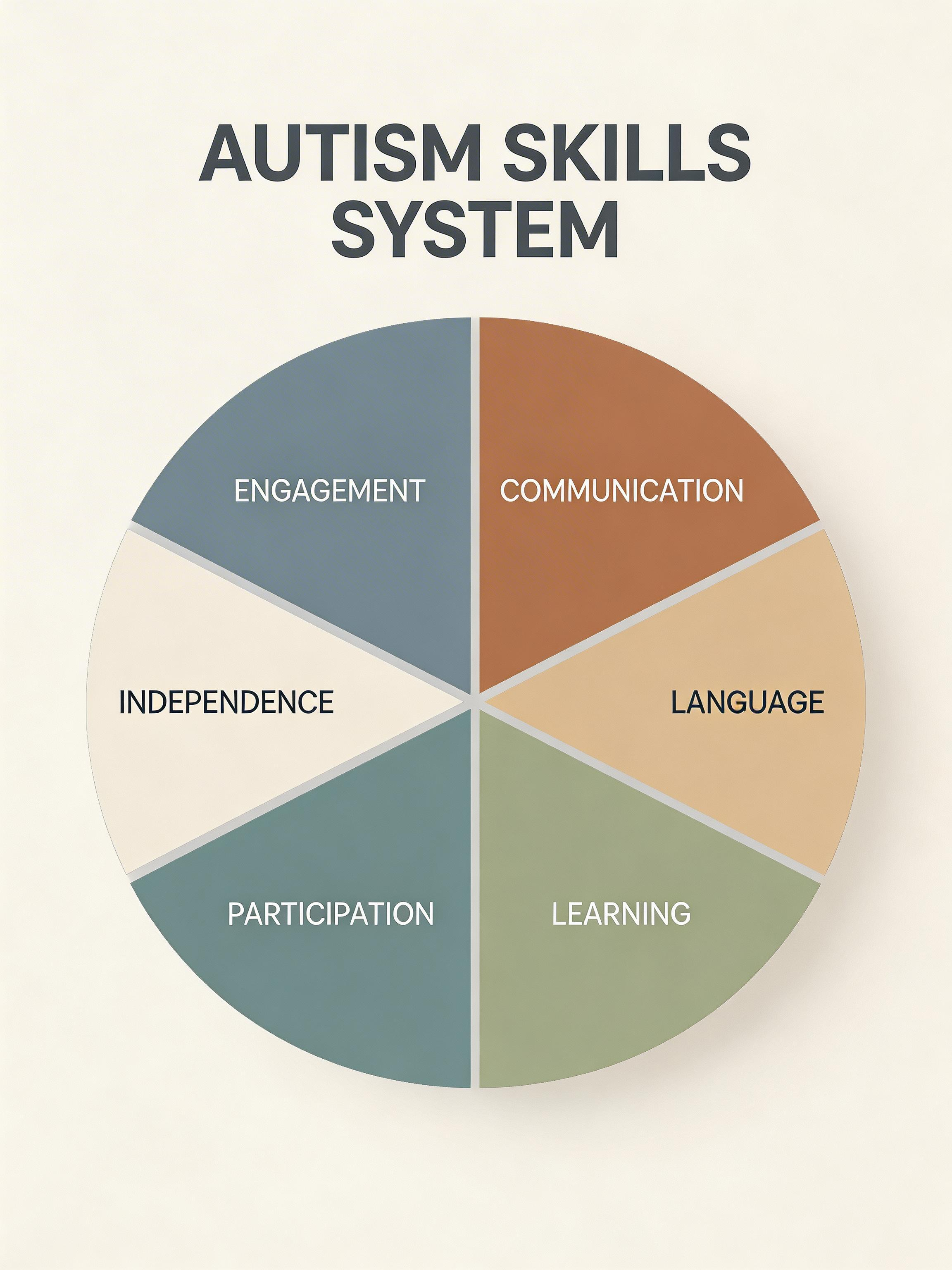
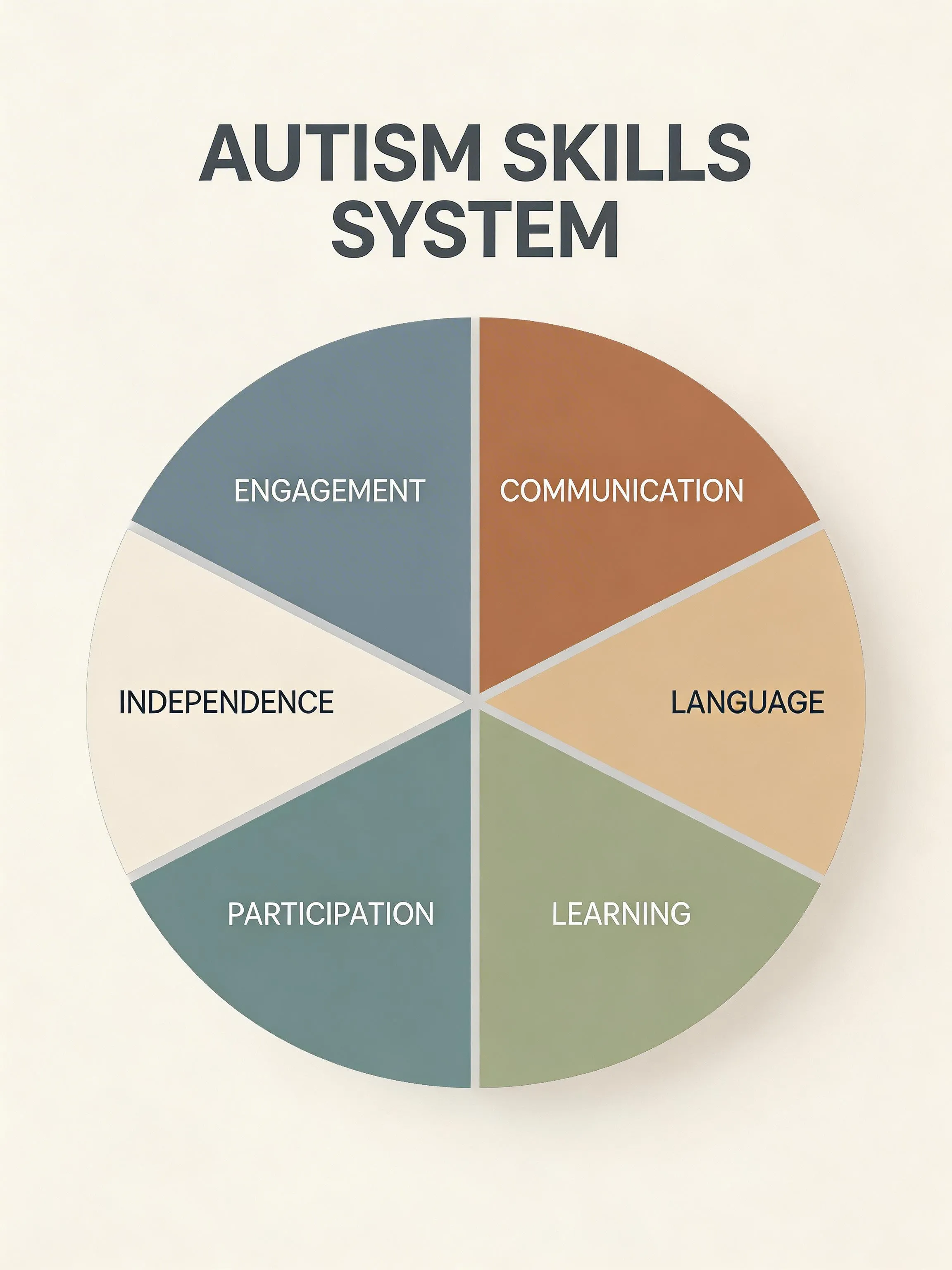
Autism rarely looks like one simple delay. The real pattern is often uneven development across communication, play, regulation, learning, and independence.
Before a child can learn at a table, they need to share attention with another person. That skill is built through play and daily life, not drills.
A plateau means the child is stuck. Regression means the child is losing ground. Both deserve action, but they call for different responses.
In-Depth Guides
Recognize the developmental patterns that matter, understand what screening and diagnosis actually tell you, and learn what to do right now — even before a formal evaluation.
Motivation is not a personality trait. It is a live relationship between the child, the task, and the outcome. When teaching stalls, the environment usually needs to change — not the child.
A child who can imitate flexibly does not need every skill taught individually. Imitation is the engine that lets learning spread without direct instruction for every single action.
In The Handbook
The full book covers foundations across 3 dedicated chapters with detailed frameworks, decision tools, and planning sheets.
Related Appendices